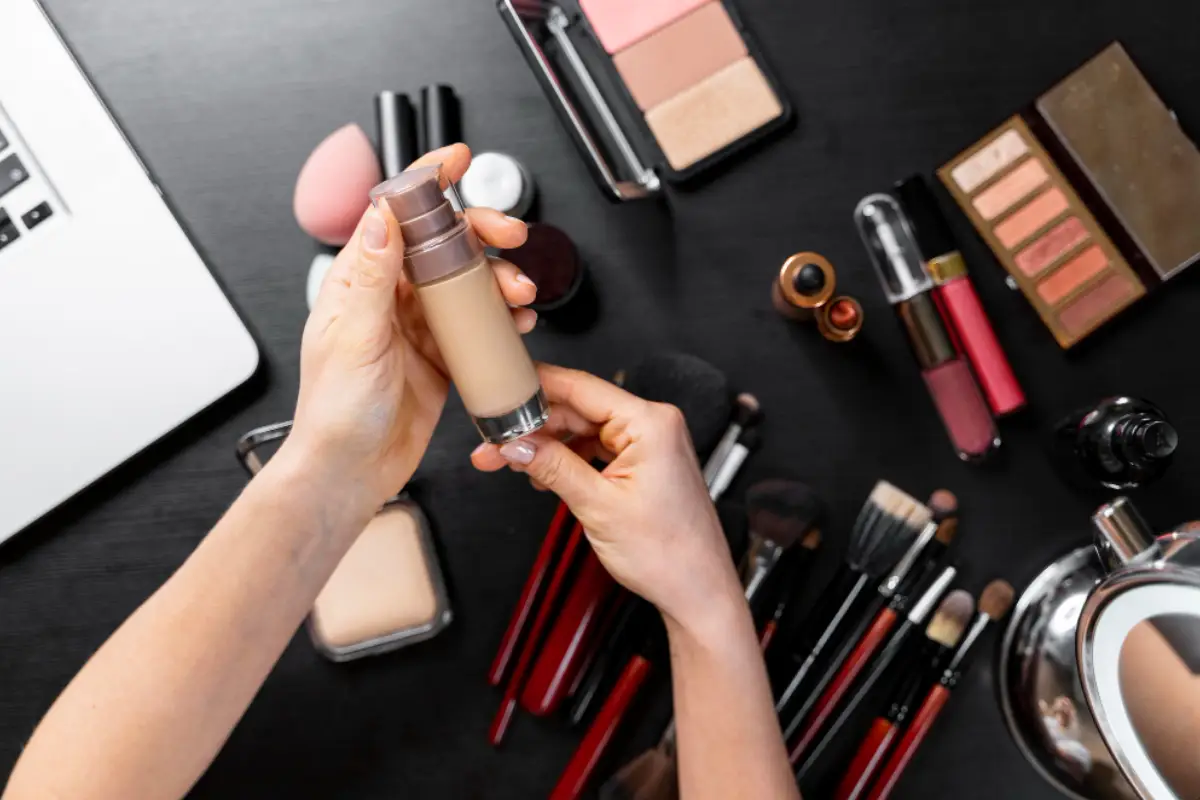
The foundation makeup industry is experiencing a major structural transformation driven by changing consumer expectations, advances in cosmetic formulation science, and the digital evolution of the beauty retail ecosystem. Makeup foundations are not just a means to cover up, but rather they are being observed as a hybrid skincare that is a cosmetic system. It supplies skincare benefits and delivers skincare health benefits.
The market, as it relates to the base makeup category of beauty globally, is evolving as the consumers want products that represent transparency, inclusivity, environmentally responsible products, and technology integrations. Therefore, the stakeholders of the makeup foundation have changed their innovation pipelines, reformulated their product architecture and engaged their customers with a data-driven model.
Transformation of Hybrid Cosmetic–Skincare Systems
One of the major structural changes in makeup foundations is that foundations are planned not only to offer visual enhancement but also meaningful skin health benefits. This trend indicates an overall modification in the definition of the best makeup foundations. That used to be defined only by their ability to cover the skin, but is now defined as a multi-functional base for regular dermatological care. Consumers continue to evolve their expectations for cosmetic and skin care brands to incorporate active ingredients that will help improve their skin in the long term. It has allowed brands to develop a foundation that has both cosmetic and skin care functionality, thus continuing to increase the functional significance of foundation in a normal beauty routine.
The current formulations of foundation most commonly contain humectants to provide continued hydration to the skin, UV protection to protect the skin from the harmful effects of the sun, Niacinamide to help even out skin tone and strengthen the skin barrier and antioxidants to provide protection from environmental stressors. By combining these ingredients, a consumer does not have to trust multiple skin care steps to achieve results. It provides increased efficiency for the use of the product. Additionally, the new foundation expansion is closely tied to the dermatological research model. It increasingly focused on clinical testing, validating the efficiency of the product, and having scientifically supported claims. There is a renewed effort to create credibly differentiated products in a very competitive market.
Expansion of Inclusive Shade Architecture
The makeup foundation industry has implemented inclusivity into its fundamental principles of design. The focus is not just on marketing, but on incorporating a progressive formulation engineering process. Consumers are now demanding a wider variety of shade ranges that accurately represent the diversity of global skin tones. This demand has encouraged manufacturers to expand their shade offerings, utilize advanced undertone classification systems and create product development processes based on algorithms and regionally standardised skin colours. Additionally, the use of artificial intelligence to improve the accuracy of shades means that there will be fewer mismatches. The combination of technology and formulation science has become necessary for companies, as today’s technologically determined makeup foundation for accurate shade matching can greatly affect purchase decisions and build brand trust.
Digital Transformation and Virtual Try-On Technologies
The usage of technology is significantly affecting the competition in the makeup foundation industry. Digital tools, such as augmented reality-based virtual try-on systems, artificial intelligence-powered shade recommendation systems, smartphone-based skin analysis, and machine learning-based undertone prediction, are all helping to make purchasing online and testing the actual product before buying it. The use of these technologies allows makeup companies to make it easier for consumers to find the correct product based on their specific requirements. This leads to a decrease in product returns and an increase in consumer satisfaction.
Shift Toward Clean, Sustainable, and Ethical Beauty
The concept of sustainability has gained importance as one of the major drivers influencing the development of products in the makeup foundation market. Consumers have been demanding that products should be safe in terms of ingredients used, eco-friendly and ethically sourced. It has resulted in the introduction of formulas without vegan and cruelty-free labels and recyclable or refillable packs. Sustainability in the form of lightweight packaging and refill options is helping minimize plastic waste. Also, increased visibility in the sourcing of ingredients helps as a source of competition in the makeup foundation industry.
Personalisation and Custom-Blended Foundations
Hyper-personalisation is a miracle taking place in the make-up foundation industry as customers shift from traditional shading methods to formulations that fit their individual skin types. Companies have reacted by offering in-shop blending services, customised blending on the internet, recommendations from artificial intelligence, and formulation based on individual skin conditions such as oily skin, dry skin, and sensitivity. This is an indicator of a general movement to the individualisation of beauty, whereby formulations are personalised according to individual skin conditions.
Evolving Consumer Behaviour and Purchase Drivers
The buying patterns and mindsets for the consumer base of the makeup foundation industry have been shifting due to digital impacts and educational trends from social media platforms. Consumers are interested in lightweight foundations that provide a natural finish against heavy, full-coverage finishes. Consumer decisions are heavily influenced by reviews and social media posts from both influencers and actual demonstrations of the products. As an outcome of this, consumers want multifunctional foundations to provide both cosmetic and skincare benefits. They are interested in products with a dermatological cover of approval to ensure the product is safe and effective.
Key Limitations Facing the Makeup Foundation Industry
With the innovation trends in place, the makeup foundation industry still faces several boundaries in terms of structure, science, and operations. These limitations impact on product creation, scalability, and profitability. Some of the limitations are:
- Market Saturation and Difficulty with Product Differentiation: A high level of competition makes it hard for manufacturers to differentiate their products, as many brand similar claims about long wear and hydration.
- Difficulties in Reaching Shade Inclusivity: It is hard to achieve accurate undertones in different shades and it results in a mismatch in practice.
- Increasing Cost of Materials and Formulations: Use of innovative skincare ingredients and pigmentation technologies increases the cost of production and reduces profit margins.
- Regulatory Differences in Various Regions: Numerous requirements about safety, labelling, and ingredients in various countries create a necessity to reformulate products.
- Technical Challenges in Formulating a Multifunctional Product: The effort to combine skin care properties, heavy coverage, and longevity results in technical difficulties.
Future Outlook and Evolving Landscape of the Makeup Foundation Market
The makeup foundation can be described in terms of integration of technologies, sustainability practices, and personalisation of beauty systems. In addition, foundations powered by biotech and containing skincare ingredients are forecasted to become more popular. Sustainability also an important feature in the development of the industry, and there will be a growing adoption of refillable and zero-waste package systems.
The future of the makeup foundation industry reflects changes in the beauty products that are created in general; therefore, the industry appears to be moving to an intelligent, adaptive and data-driven approach. In an effort to develop highly customized and skin-conscious beauty products rather than traditional cosmetic products. Indications from insight partners such as Pristine Market Insights suggest that the fundamental restructuring of the cosmetics industry has occurred and will continue as it evolves into personalised systems for the delivery of beauty products.
Author Bio:
Sandhya Jadhav is a Research Analyst with expertise in consumer goods and beauty industry trends. She specializes in analyzing evolving market dynamics, product innovations, and changing consumer preferences. Her research delivers data-driven insights that help readers understand emerging opportunities, competitive developments, and the factors shaping the future of the global beauty and cosmetics market.
Related Post: From Work to Party: Transform Your Look with Liquid Lipstick Shades